

Plastic Welding: Why Repairing Beats Replacing (and When It Matters Most)
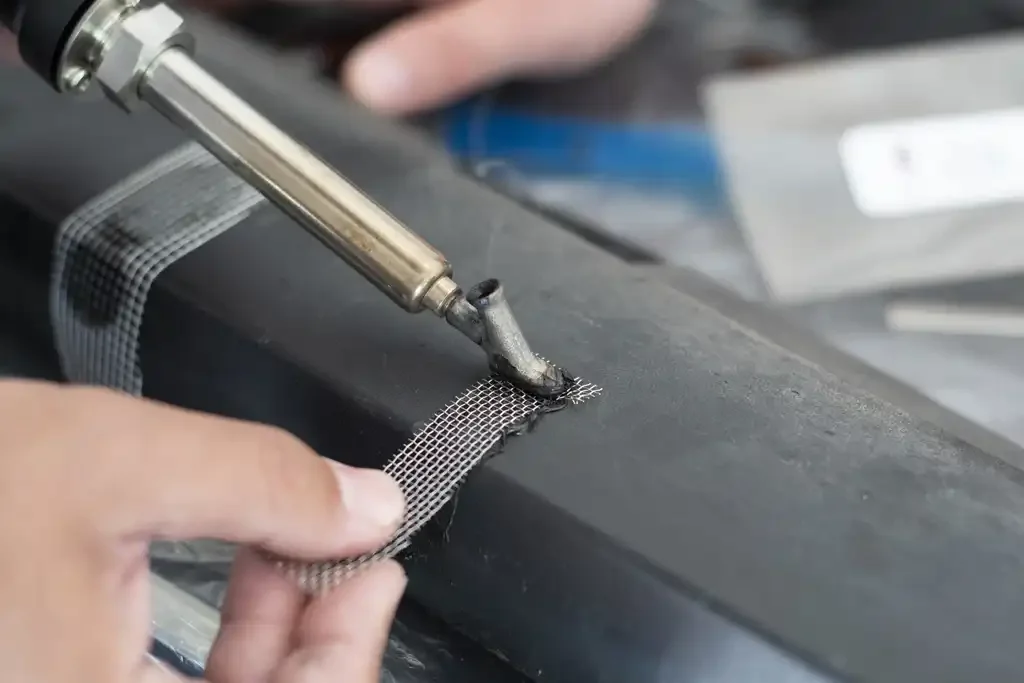
Modern cars are packed with plastic components — bumpers, trims, brackets, undertrays, sensor mounts and more. After a minor collision, insurers often default to replacement, but in many cases plastic welding is the better, smarter repair.
At Scuffed Up, plastic welding is a core repair method — not a shortcut. When done correctly, it restores strength, appearance, and safety while avoiding unnecessary waste and cost.
What is plastic welding?
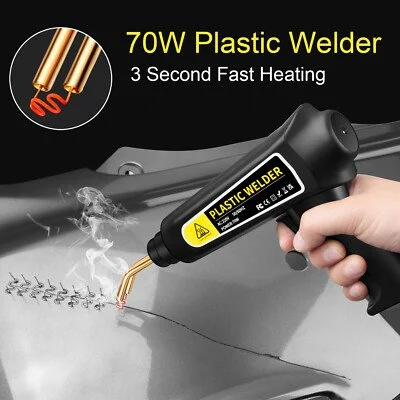
Plastic welding is a specialist repair process where damaged plastic components are:
reshaped
reinforced
fused using controlled heat and compatible filler material
Unlike glue or filler-based fixes, plastic welding bonds the plastic back together structurally, returning strength to the part rather than simply hiding the damage.
When carried out properly, the repair can be as strong as — or stronger than — the original moulded component.
Repair vs replace: the real comparison
🚗 Plastic welding (repair)
Retains the original factory-fitted component
Preserves OEM fitment and alignment
Reduces repair cost and cycle time
Environmentally responsible
Often invisible once refinished
🚙 Full replacement
Higher parts cost (often surprisingly high)
Increased delays due to parts supply
More strip-down and refit work
Higher environmental impact
Greater risk of tolerance or alignment issues on refit
For many bumper and trim damages, replacement simply isn’t necessary.
Why insurers often default to replacement
Insurers and large-volume repair networks frequently favour replacement because:
it’s easier to price and standardise
it reduces technician skill dependency
it fits neatly into automated estimating systems
But easier doesn’t always mean better.
An experienced independent bodyshop can assess whether repair is:
structurally sound
cosmetically flawless
safe for ADAS-equipped vehicles
…and push for repair where it genuinely makes sense.
Where plastic welding excels
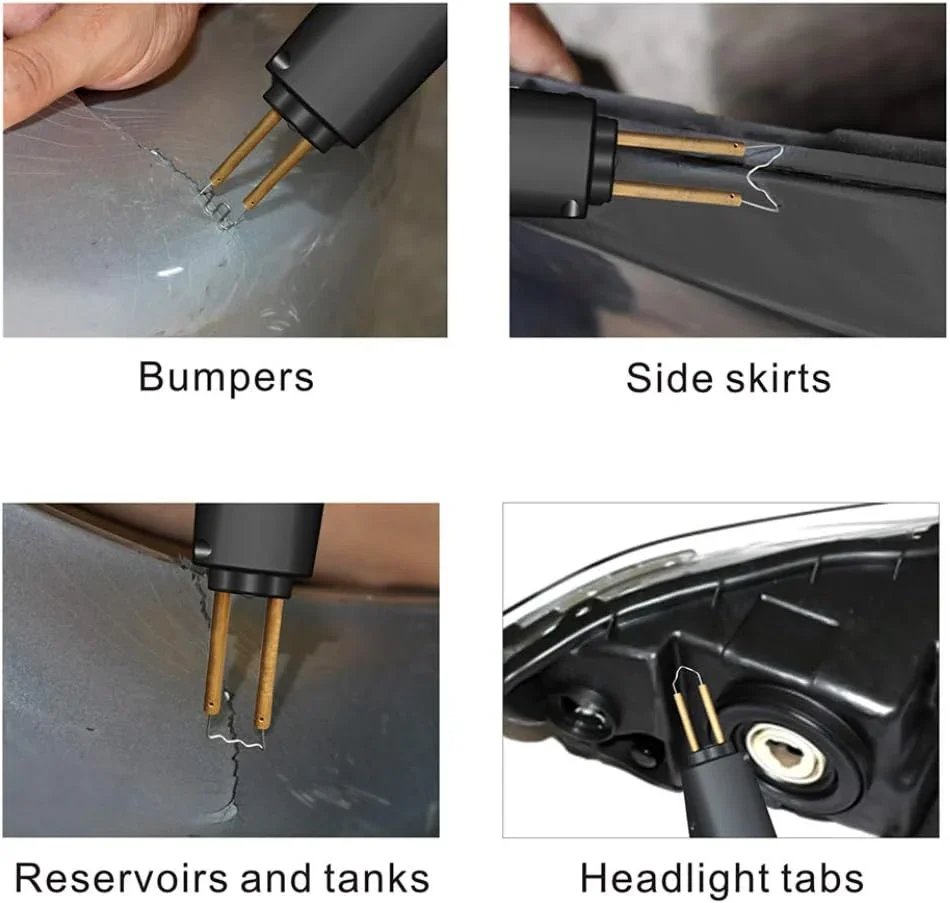
Plastic welding is particularly effective for:
cracked or split bumpers
torn bumper corners
damaged mounting tabs
parking sensor surrounds
grille and trim repairs
undertray and aero panel damage
These are exactly the areas that are most commonly replaced unnecessarily.
Strength, safety & finish — not a compromise
A common myth is that repaired plastic is “weaker”.
In reality:
welded repairs reinforce the stress point
correct filler rods match the plastic type
repairs are shaped, reinforced, and stress-relieved
the panel is refinished to OEM standards
When done properly, there is no compromise on safety or appearance.
Environmental benefits (that also save money)
Replacing plastic parts has a hidden cost:
manufacturing energy
transport emissions
packaging waste
disposal of damaged components
Plastic welding:
keeps original materials in use
dramatically reduces waste
lowers the overall carbon footprint of the repair
Sustainability isn’t just a buzzword — it’s good engineering.
Why independence matters here
An independent bodyshop has the freedom to say:
“This doesn’t need replacing — it can be repaired properly.”
At Scuffed Up, that independence allows us to:
choose repair over replacement when appropriate
justify the method to insurers
focus on outcome, not throughput
deliver a better result for the customer
When replacement is the right choice
Repair isn’t always suitable. Replacement may be required if:
the plastic has shattered or degraded
mounting geometry is irrecoverable
safety-critical structures are compromised
The key is proper assessment, not default decisions.
The bottom line
Plastic welding is:
technically sound
cost-effective
environmentally responsible
often the superior repair
If your bumper or plastic component has been damaged, don’t assume replacement is the only option — or the best one.
Book an appointment
If you want honest advice on whether your vehicle can be repaired rather than replaced, book an appointment with Scuffed Up and let a technician assess the damage properly.
